Over 200 Chinese and Foreign Participants Hiking 8.8 km to Trace the “Nanjing Safety Zone”
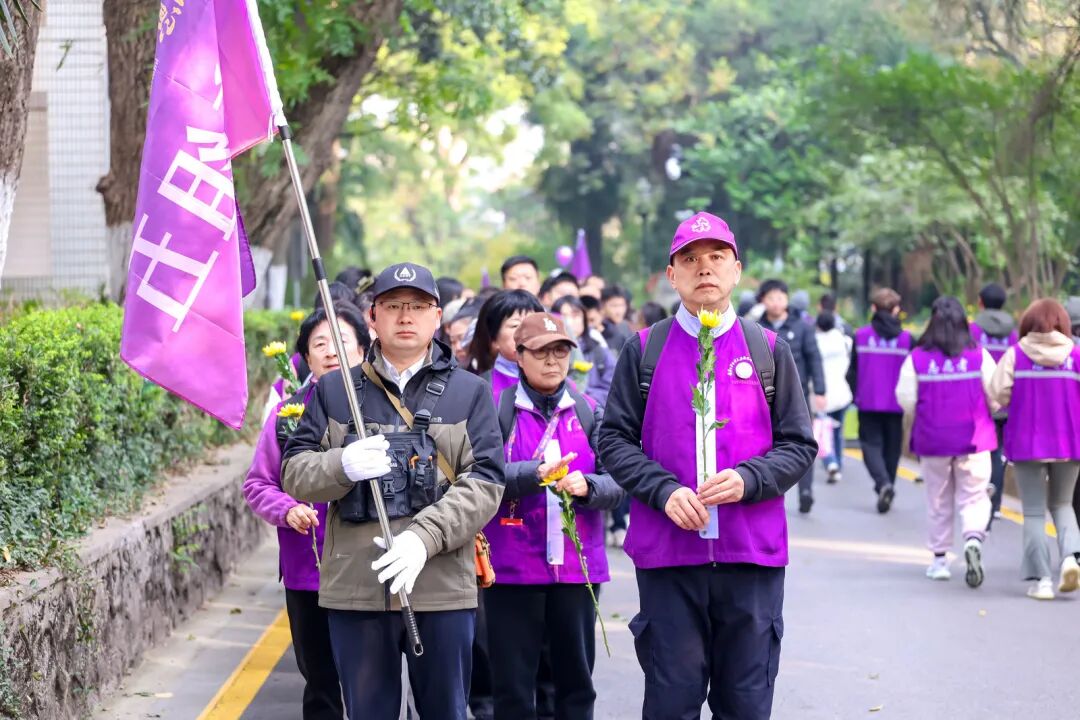
This morning, the 9th “Gratitude・Nanjing Safety Zone” International Peace Hiking officially commenced. Over 200 participants from China and abroad, including historical memory inheritors of the Nanjing Massacre, Zijin Cao volunteers, Chinese and international students from Nanjing universities, as well as employee representatives from the Red Cross of Jiangsu Province and Nanjing City, the John Rabe Memorial Hall, Siemens AG, and BSH Hausgeräte GmbH, hiked 8.8 kilometers to retrace the route of the Nanjing Safety Zone. This hike was held to express gratitude toward the Chinese and foreign individuals who selflessly aided Chinese refugees during the Nanjing Massacre.
8.8 km Hike:
Tracing the Nanking Safety Zone from 88 Years Ago
The hike started from Nanjing Normal University, formerly known as Jinling (Ginling) College. During the Nanjing Massacre, this site served as a refugee shelter, primarily for women and children, housing over 10,000 people at its peak.
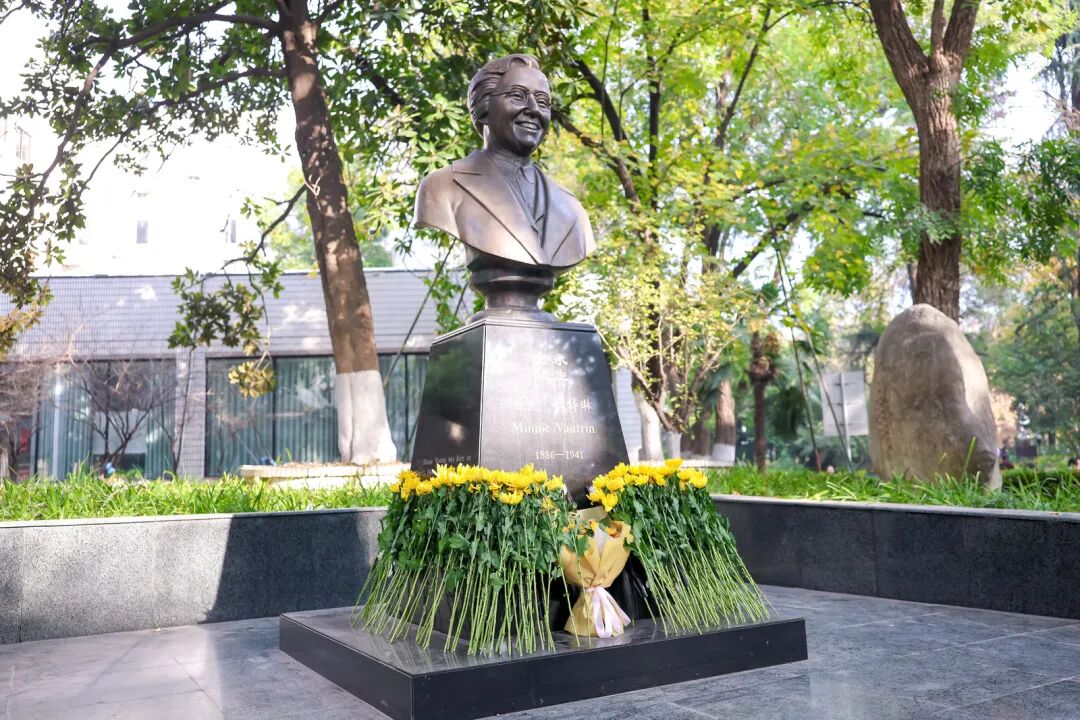
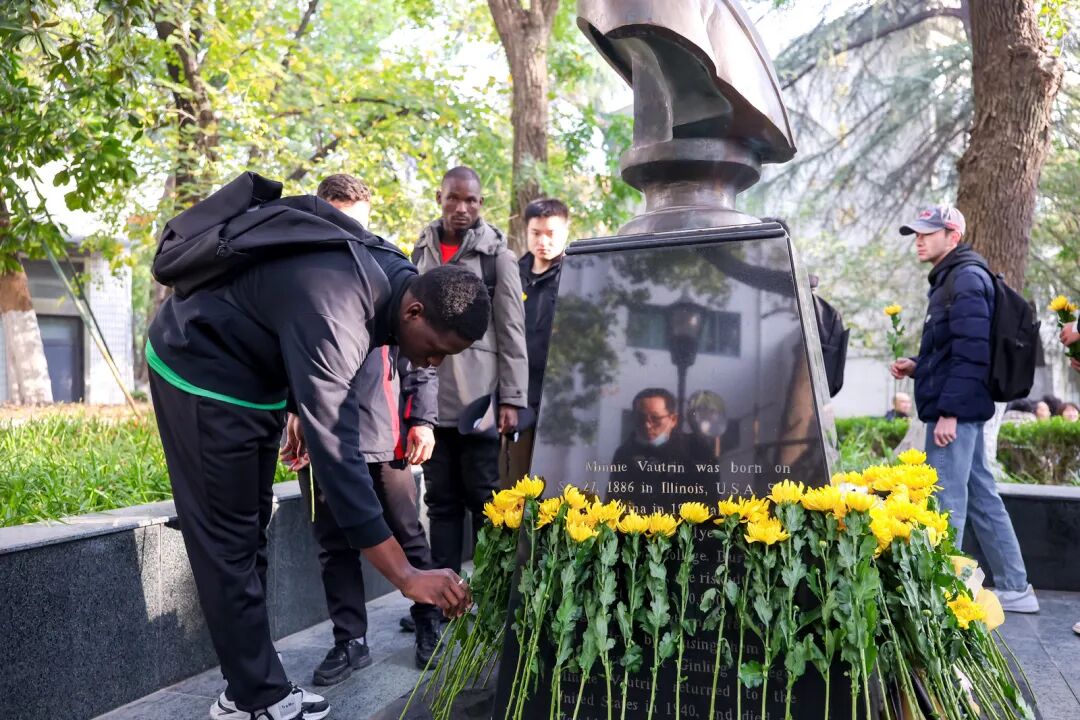
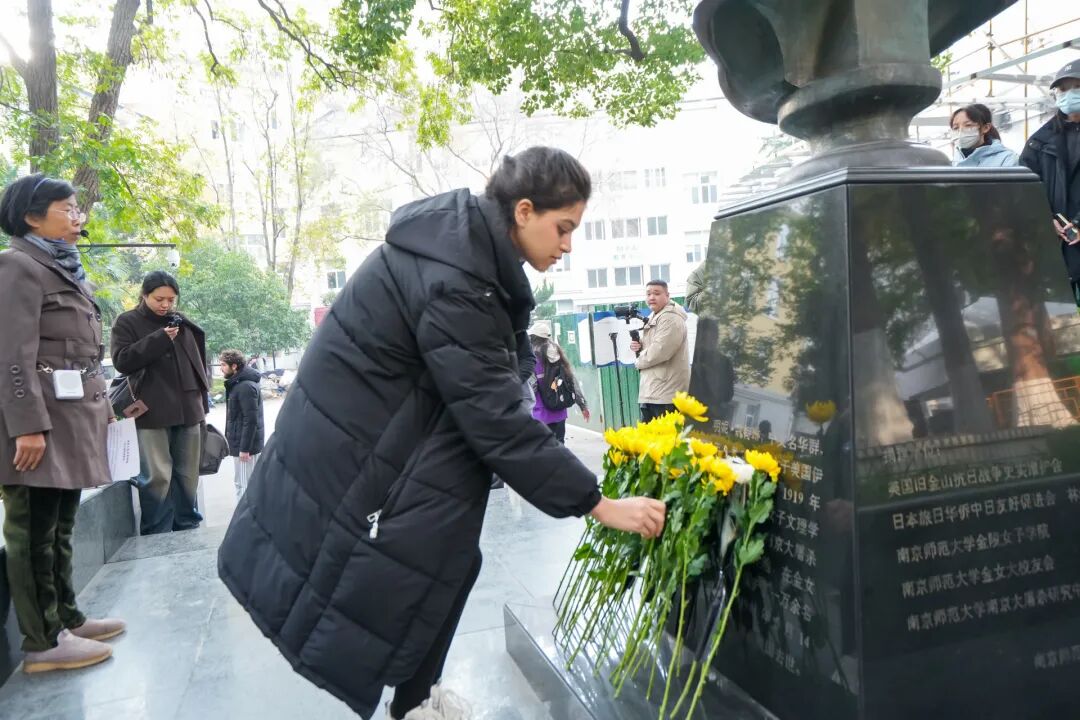
When the hiking group reached the statue of Minnie Vautrin, Zhang Qing, an inheritor of the Nanjing Massacre historical memory, presented chrysanthemums, Vautrin’s favorite flowers during her lifetime. In December 1937, Zhang Qing's great-grandfather Xu Chuanyin, who was vice president of the Red Swastika Society Nanjing branch, joined the Nanjing Safety Zone International Committee as the head of the Housing Committee. He is frequently mentioned as “Dr. Xu” in the Terror in Minnie Vautrin's Nanjing: Diaries and Correspondence.
A Photo Exhibition of the Past and Present:
Experiencing the Transformation of Historical Landmarks
The hike route passed several former refugee shelters, forming an 8.8-kilometer “Road of Great Compassion”.
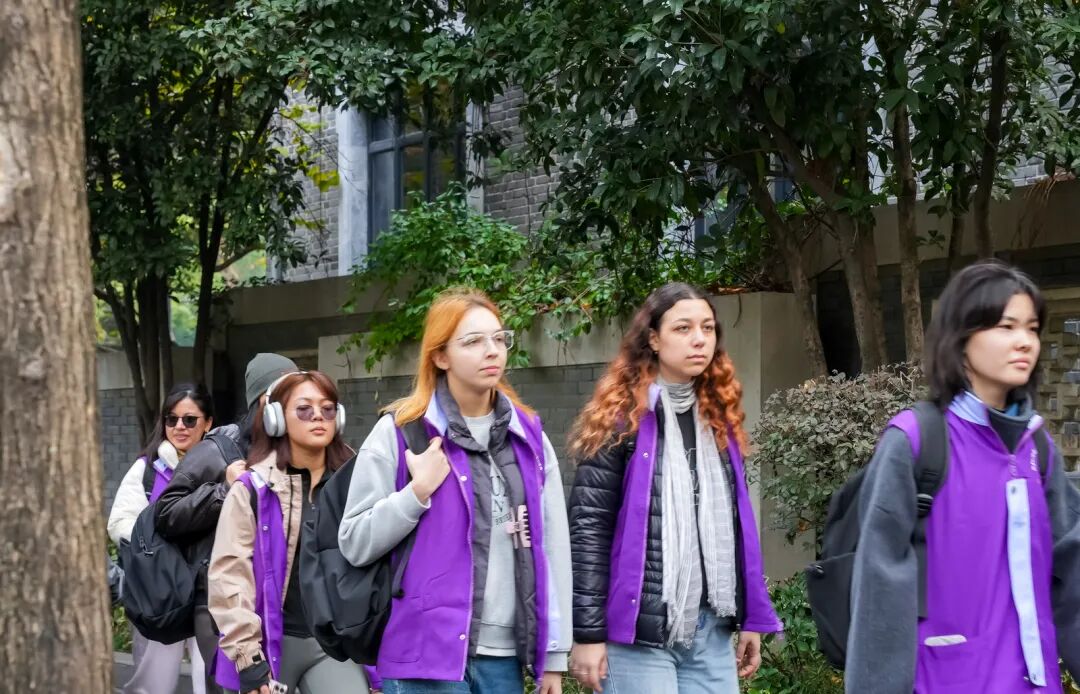
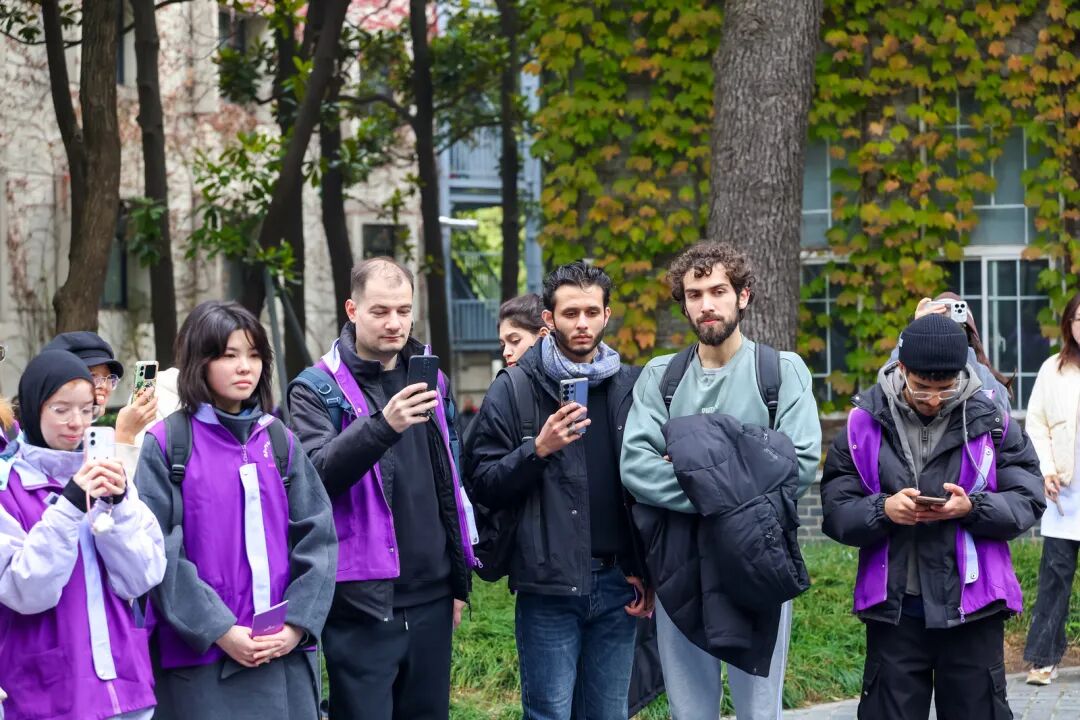

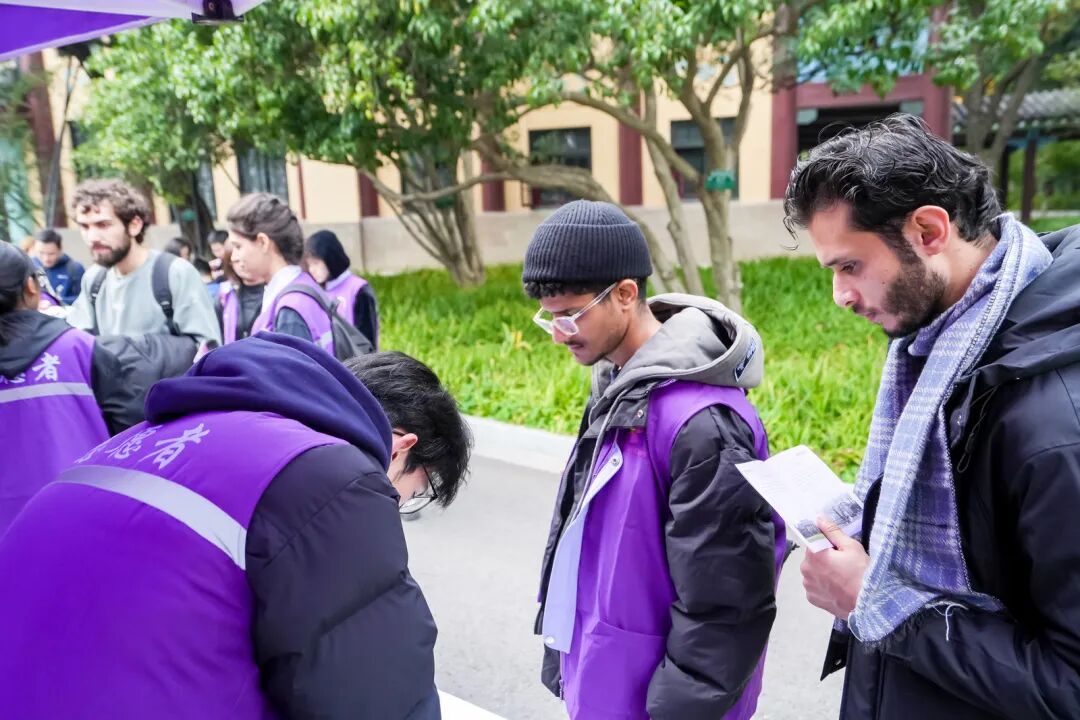


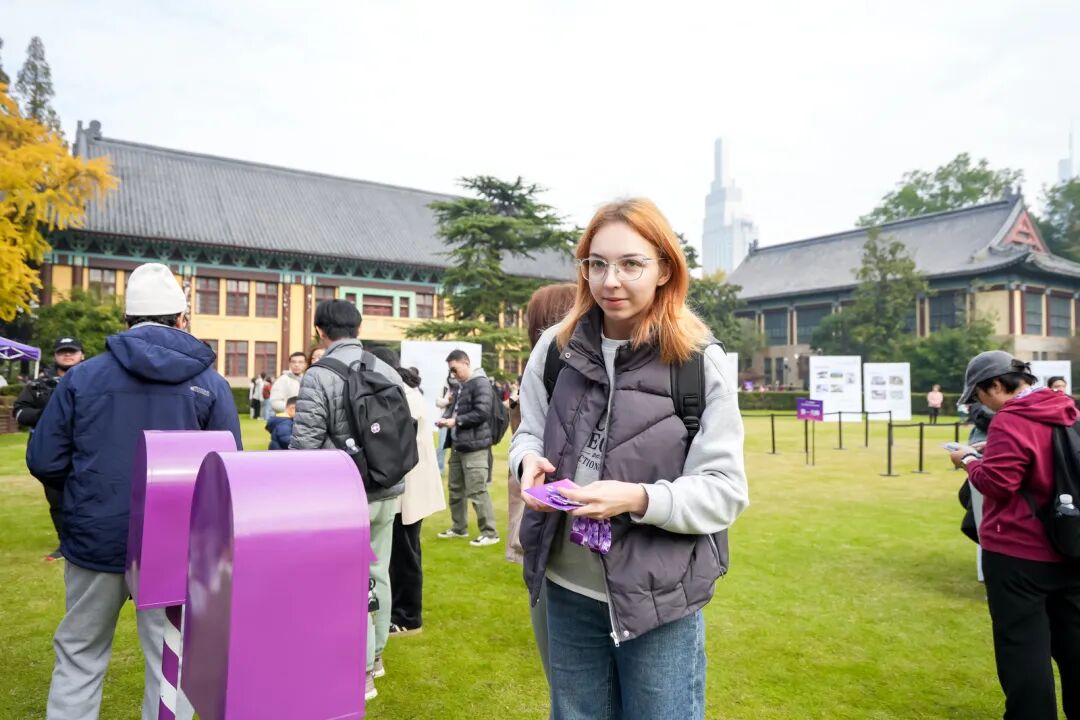



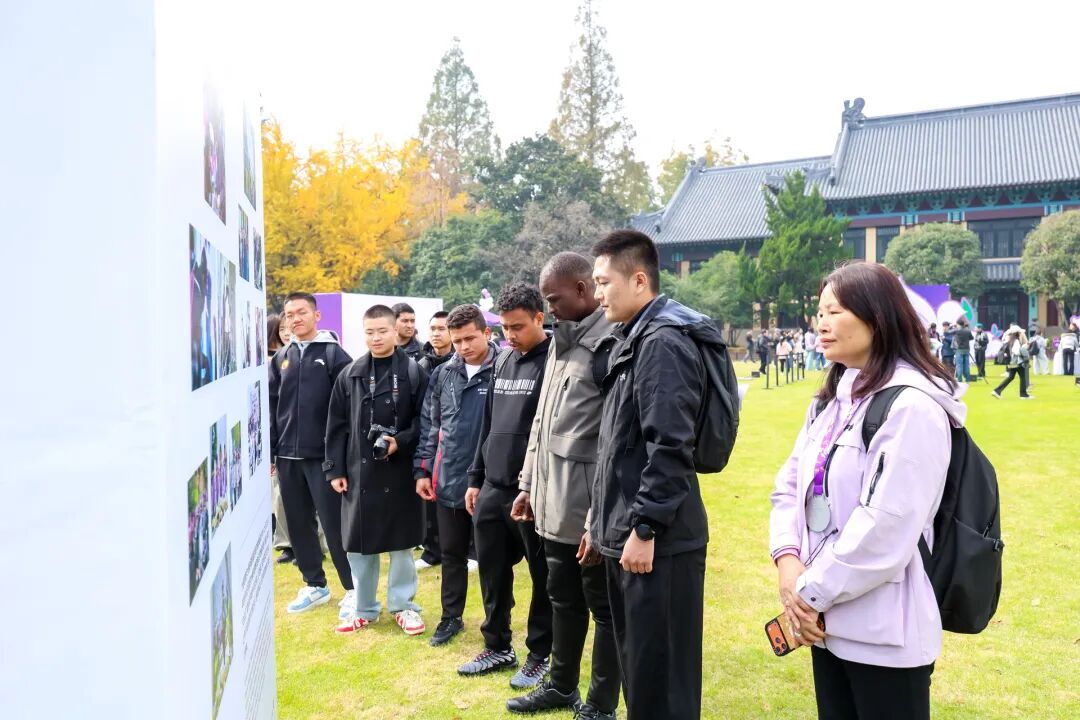
To help participants better understand various historical landmarks along the route, a Photo Exhibition of the Past and Present was displayed on the main lawn of Nanjing Normal University.
Each site was presented through comparisons of historical photographs and contemporary images, accompanied by detailed explanations of historical backgrounds and current functions. From wartime shelters that protected lives to peaceful spaces that sustain life today, participants could visually and emotionally experience the passage of history.
Tracing Historical Sites:
Experiencing and Understanding the Great Compassion of International Friends
The hiking group arrived at the John Rabe House at No. 1 Xiaofenqiao, which was once the residence of John Rabe, chairman of the Nanking Safety Zone International Committee. In 1930, Siemens appointed Rabe as the manager of its Nanjing branch, after which his fate became closely intertwined with that of the city. During the Nanjing Massacre, Rabe’s residence served as a refugee shelter, accommodating over 600 people at its peak.
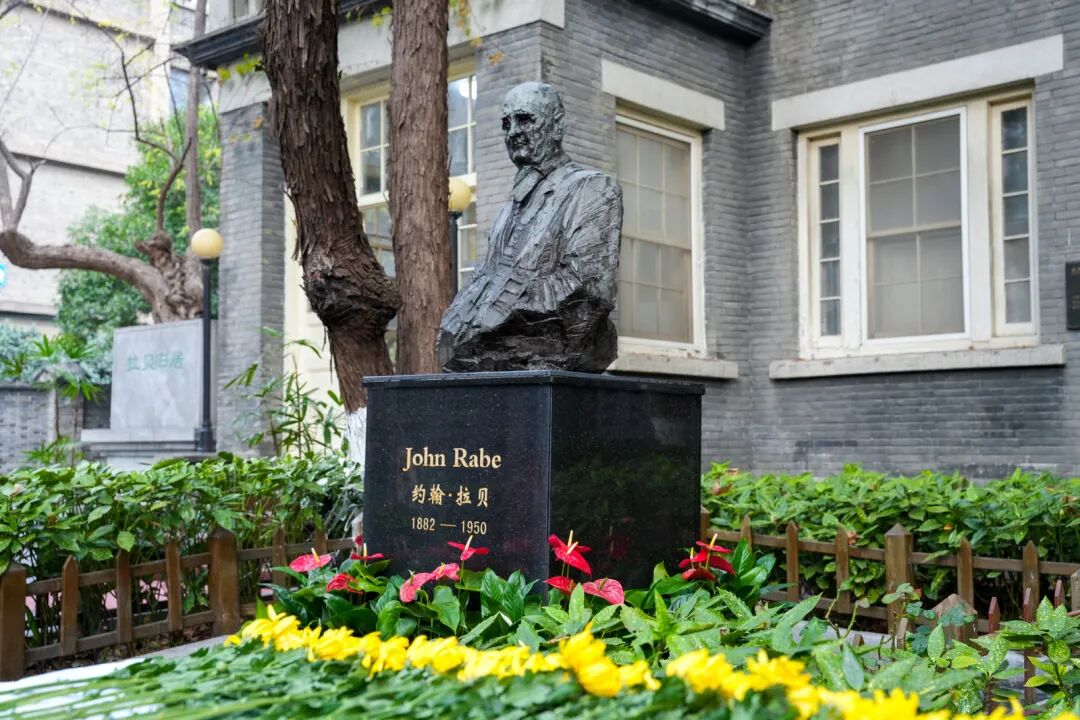
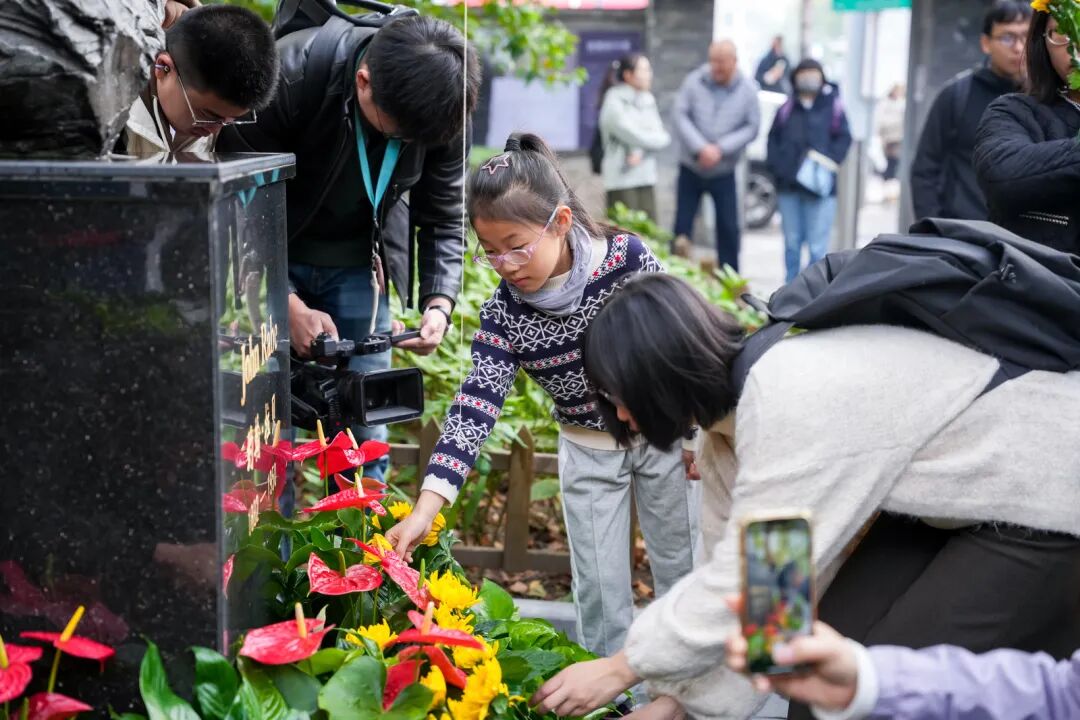
Participants paid tribute by laying flowers at the statue of John Rabe
After leaving the John Rabe House, the participants arrived at the former headquarters of the Nanking Safety Zone International Committee at No. 5 Ninghai Road. On December 2, 1937, the International Committee moved to No. 5 Ninghai Road, where Rabe and his colleagues began their intensive and busy work. Many reports and letters of the Nanjing Safety Zone International Committee preserved in The Good Man of Nanking: The Diaries of John Rabe bear the address “No. 5 Ninghai Road.”
Visiting Drum Tower Hospital:
Carrying Forward the Humanitarianism Spirit
The participants arrived at the Drum Tower Hospital. After Nanjing fell, the Drum Tower Hospital became a beacon of light in the darkness. The medical staff who remained at the hospital, regardless of nationality, courageously and selflessly treated the wounded with the caring heart of physicians, offering a chance of survival to those struggling on the brink of death.
With food shortages after the fall of Nanjing, international friends managed to transport donated broad beans from Shanghai to Nanjing and distribute them to refugees. Moved by the scene, James McCallum, then the administrative director of University Hospital of Nanking (now Drum Tower Hospital), was inspired to write The Chorus of Nanking Refugees, also known among the refugees as the Broad Bean Song. This song offered comfort and encouragement to the refugees, conveying warmth and the hope of survival.
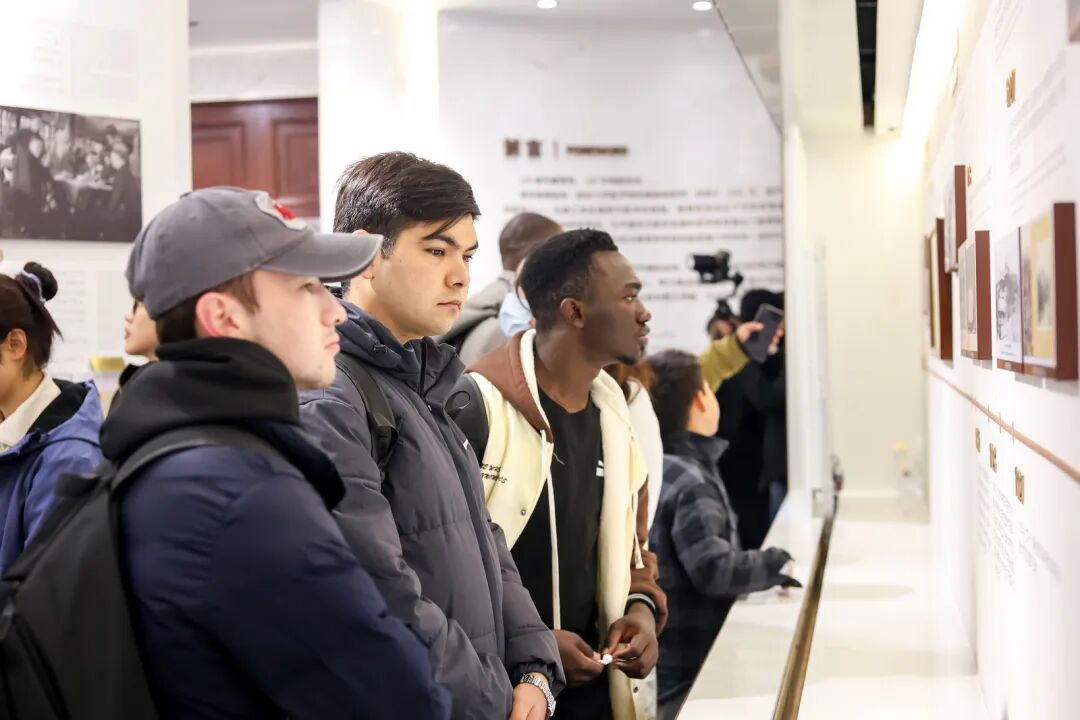
Visit to the Historical Exhibition Hall of Drum Tower Hospital
Young Participants Leave Messages of Peace
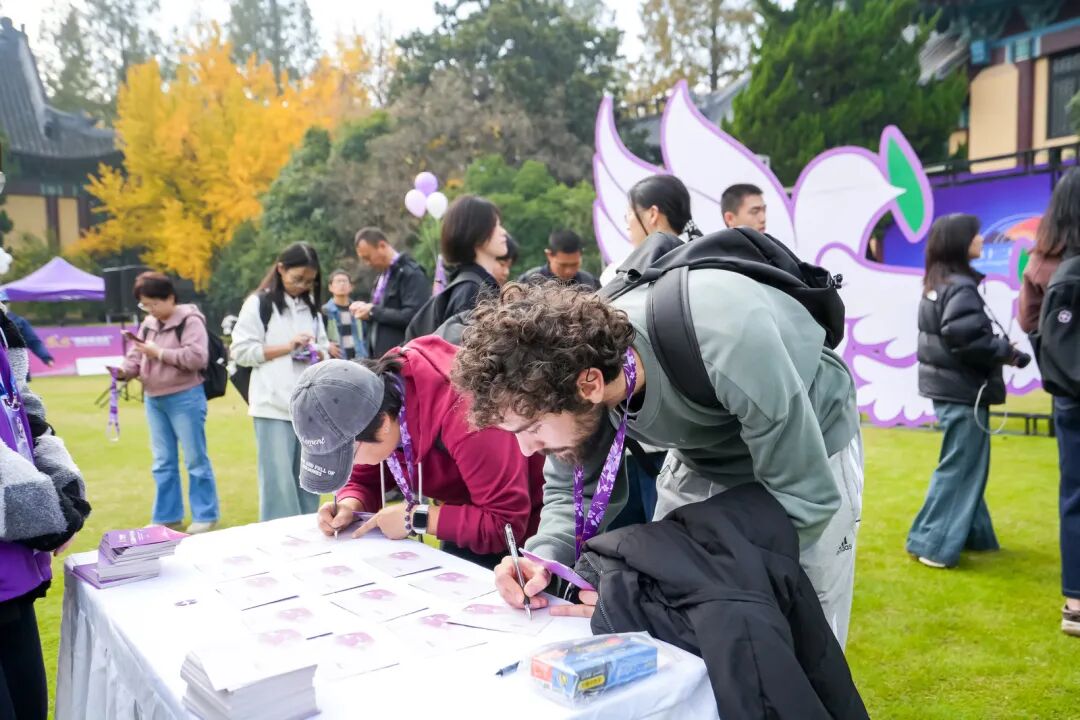
At 11 a.m., the hiking group returned to the Suiyuan Campus of Nanjing Normal University, the route’s endpoint. In this hiking, many young faces and those of Zijin Cao international volunteers could be seen. Rainbow, an 18-year-old international student from Tajikistan, said: “During Nanjing’s darkest period, international friends protected lives here with their courage and kindness. Peace must be remembered and safeguarded by generations.”

Ren Ying and Hu Jingya, inheritors of the Nanjing Massacre historical memory, presented commemorative plaques to the participants
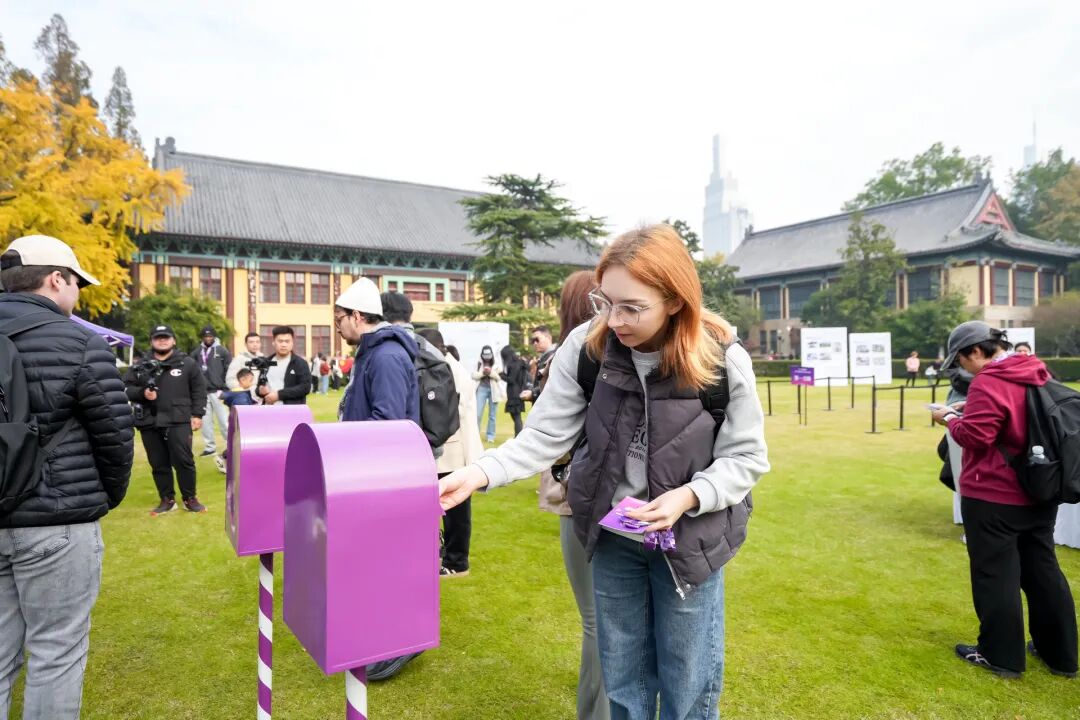
Participants wrote their wishes for peace on postcards and placed them in a “Time Mailbox,” sending their wishes for peace to the world.