

This Spring Festival, I Served as a Volunteer at the Memorial Hall
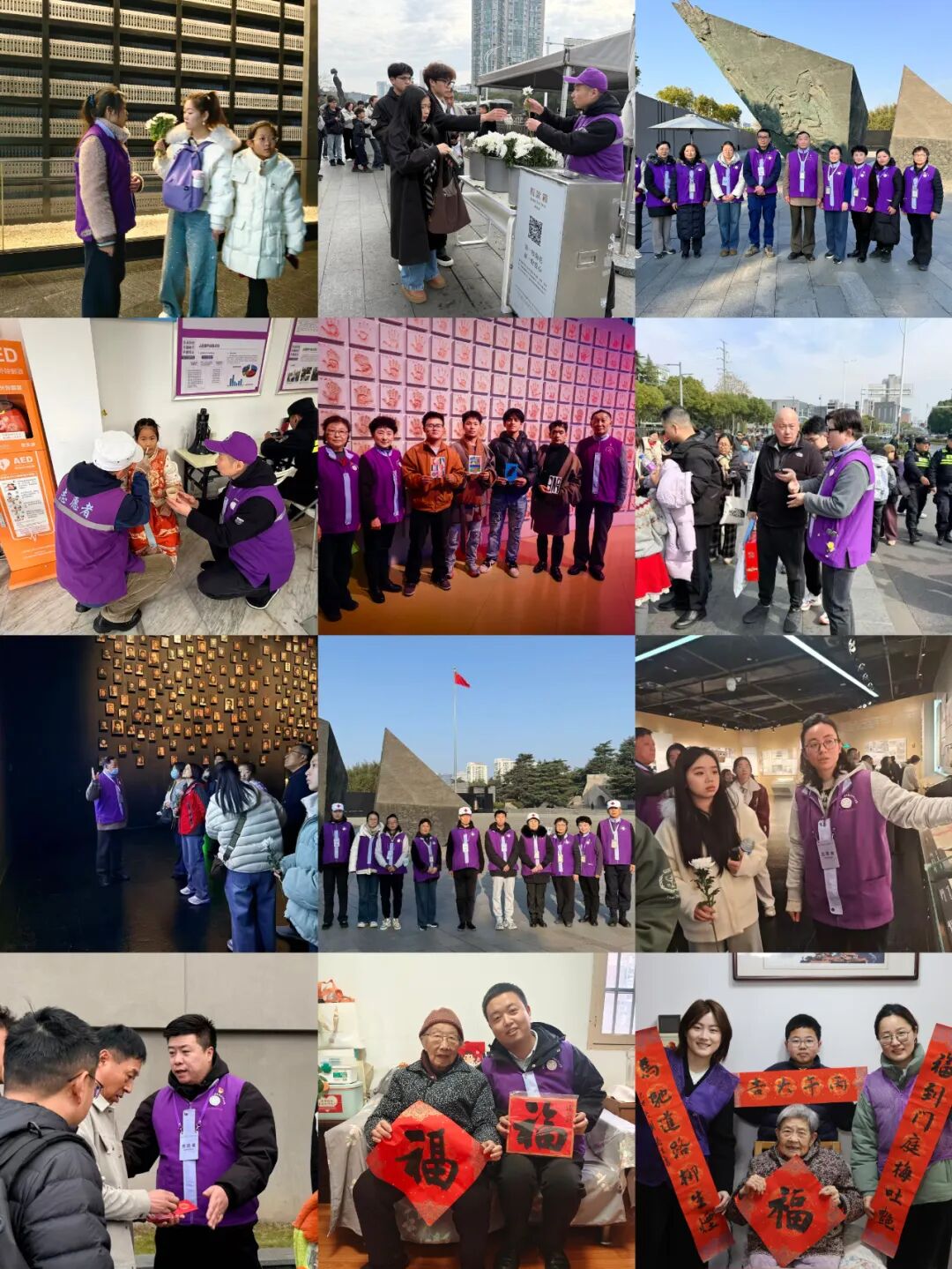
During the Spring Festival, a time for family reunions, we volunteers at the Memorial Hall, dressed in our Zijin Cao volunteer vests, chose instead to welcome the New Year through steadfast dedication. Though we come from different professions and generations, we are united by the same commitment: safeguarding the transmission of history and ensuring the safety of every visitor.
The Strength of Youth: Passing Down History Through Storytelling
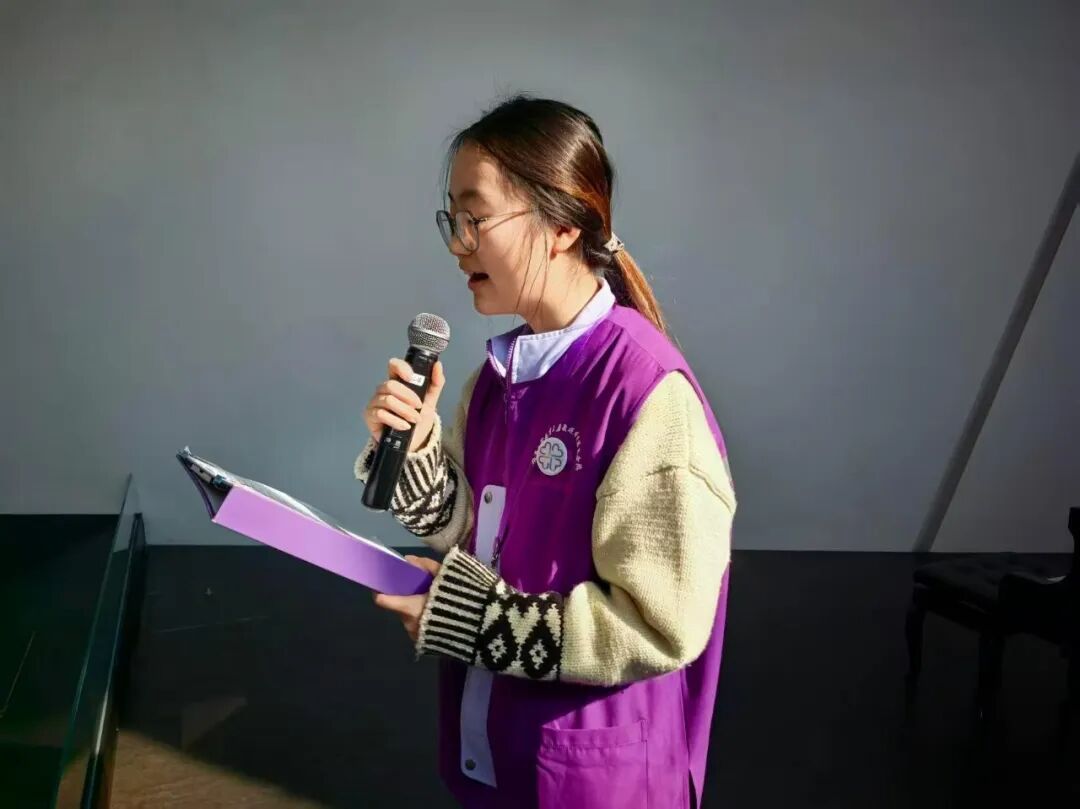
My name is Le Xiaoyi, a post-2000 volunteer. My connection with the Memorial Hall began in high school, when I served as one of the lead reciters of the Declaration of Peace at the 2022 National Memorial Ceremony for Nanjing Massacre Victims. Now a student at Central South University, I spent the second and third days of the Lunar New Year at the Memorial Hall, recounting that painful chapter of history to visitors. I deeply feel that every moment spent here carries meaning. When the new semester begins, I will bring this experience back to Changsha and share it with my classmates.
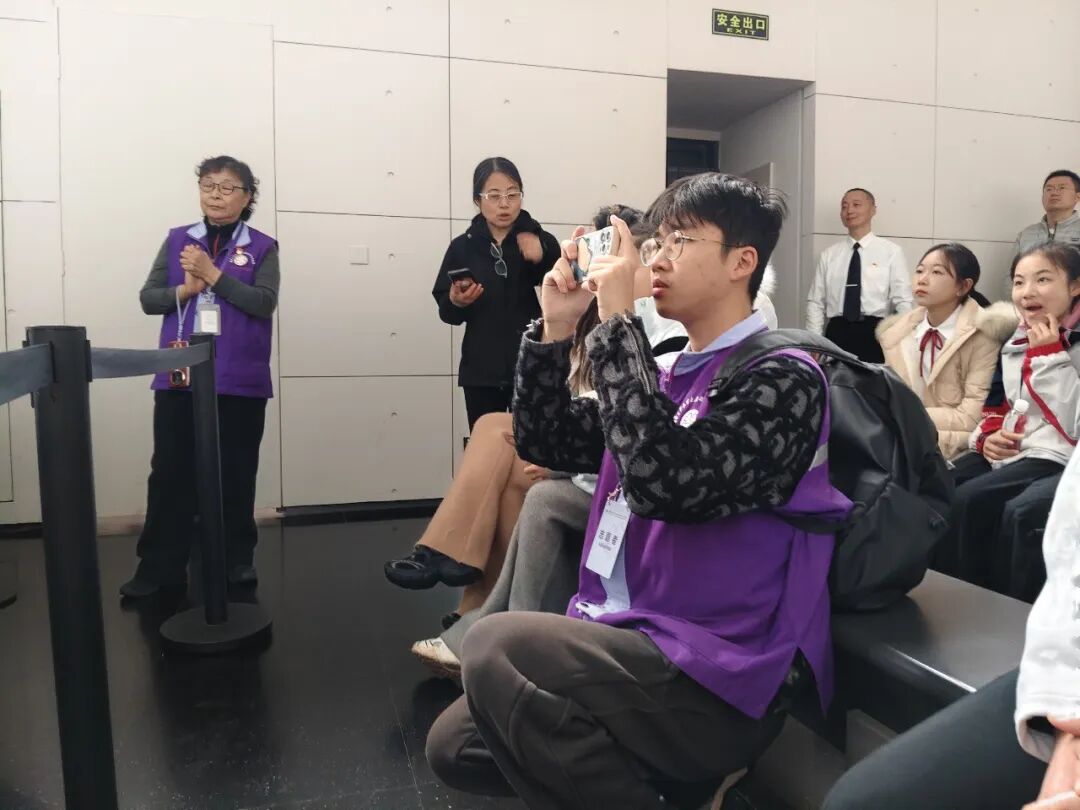
I am Chen Guanchen, a first-year student at Communication University of China, Nanjing, and a native of Nanjing. My first visit to the Memorial Hall came during primary school on a class trip, an experience that planted in me the awareness of remembering history. This Spring Festival, I chose to devote the first, third, fifth, and sixth days of the Lunar New Year to volunteer service. The camera in my hands has become a way for our generation to continue telling these stories.
I am Wang Xiaotong, born in the 2000s, and this Spring Festival marks my first time volunteering at the Memorial Hall. I am also a participant in China’s Western Plan Volunteer Program, where I teach history in Sichuan Province. I hope to further grow and gain experience through volunteer service, while passing on this sense of responsibility to others, thereby encouraging more people to walk into the Memorial Hall and learn about history.
Across National Borders: Using Japanese to Encourage Young People in Japan to Confront History
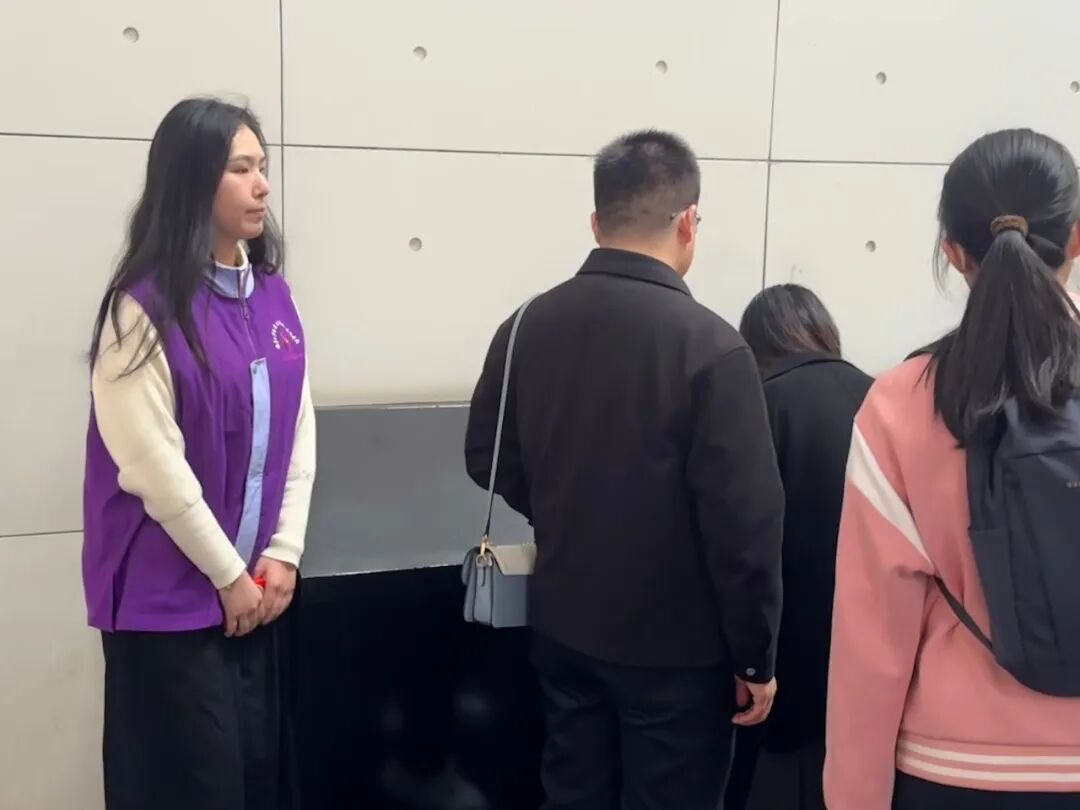
I am Wang Xin, a young man from Nanjing born in 1999. From the second to the seventh day of the Lunar New Year, I volunteered every day at the Memorial Hall as a Japanese-language interpreter. I carefully read visitors’ messages in the guestbook and explained this painful history to museum visitors in front of the “12-Second Installation” in the Prologue Hall of the Nanjing Massacre Exhibit.
I studied in Japan for many years. What affected me most deeply was the indifference many Japanese classmates around me showed toward the history of the Nanjing Massacre. They believed it was not something their generation was responsible for and therefore paid little attention to questions such as the number of victims. This pained me greatly. After graduating and returning to China, I came back to Nanjing for work, and this Spring Festival I officially joined the Zijin Cao Volunteer Service Team.
I hope to have opportunities to tell this history to Japanese visitors, especially to awaken younger generations in Japan and encourage them to confront history and reflect upon the meaning of peace. Standing before the “12-Second Installation,” each ticking sound that echoes every twelve seconds serves as a reminder of the innocent lives lost 89 years ago. I hope the younger generation in Japan will truly shoulder this responsibility so that history will never repeat itself.
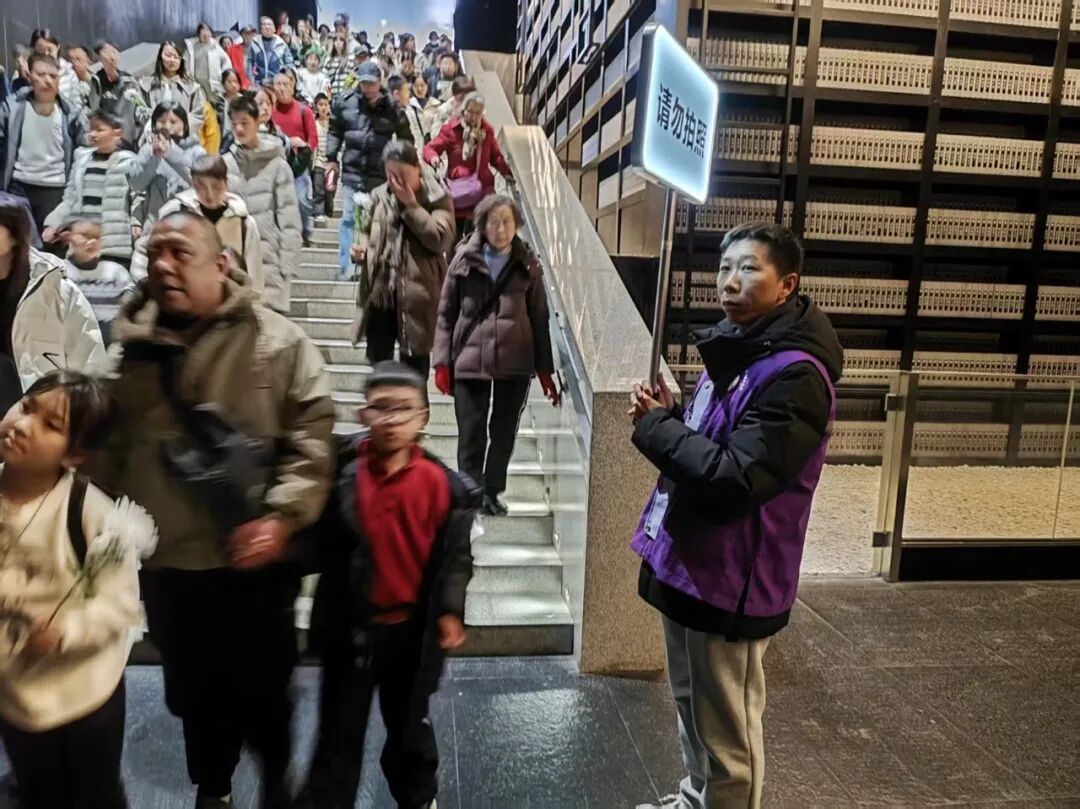
Professional Guardianship: A Helping Hand in Moments of Crisis
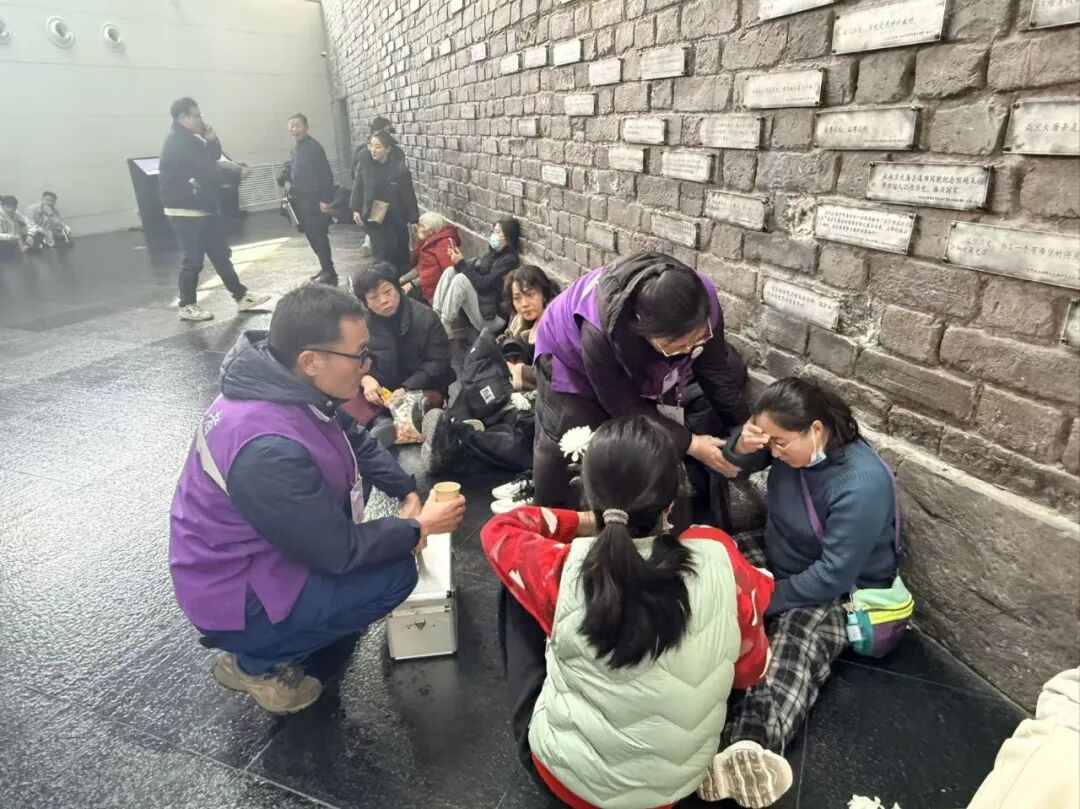
I am Nian Fang, born in the 1970s, and a member of the Emergency Rescue Vanguard Team of Red Cross Society of China, Nanjing Branch. This Spring Festival, I joined the Memorial Hall’s Zijin Cao Volunteer Service Team. On the first day of the Lunar New Year, during my very first shift at the Memorial Hall, a visitor in the Epilogue of the Historical Materials Exhibit Hall suddenly suffered from hypoglycemia. After learning of the situation, Teacher Zang and I rushed over immediately. We quickly prepared two cups of glucose water and offered fruit candies from my pocket. The visitor’s symptoms were quickly relieved. Throughout the holiday, I volunteered at the Memorial Hall for several consecutive days. As a native of Nanjing, I first visited the Memorial Hall while still in high school, and it left a profound impression on me. I will retire later this year, and afterward I hope to come here often.
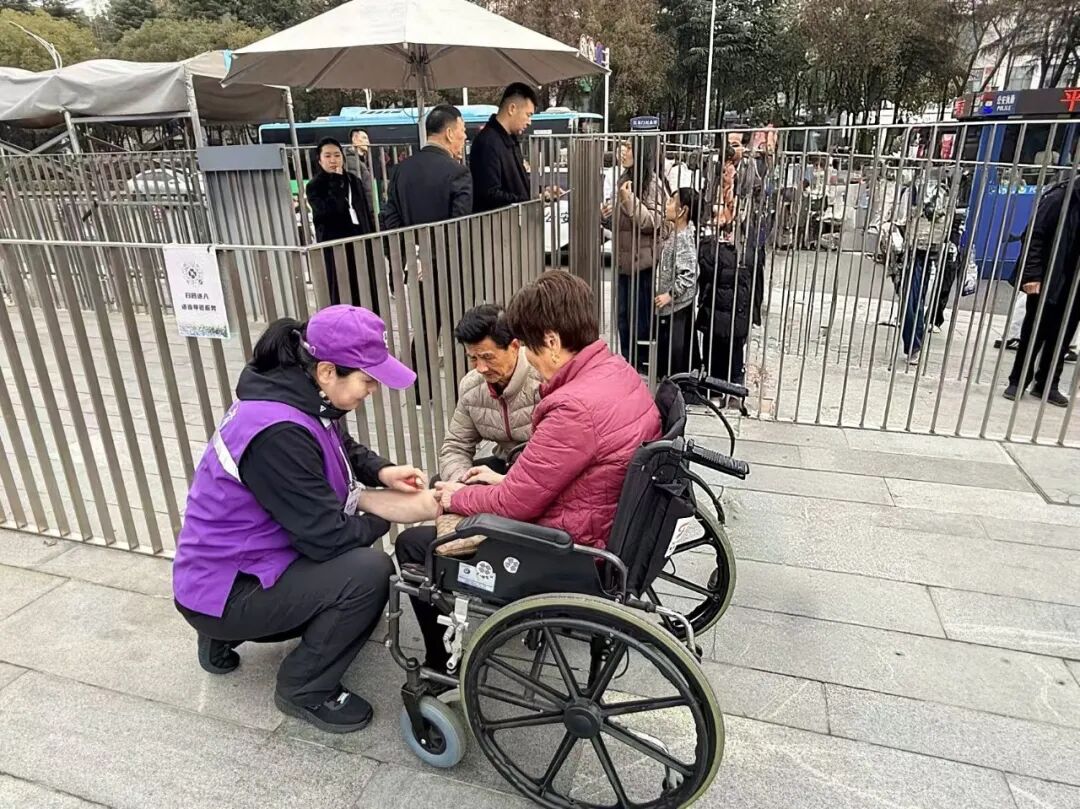
I am Ma Xingfeng, a teacher at Nanjing University of Science and Technology, and I have participated in volunteer service for more than twenty years. On the second day of the Lunar New Year, a visitor who had injured herself in a fall while traveling by train to Nanjing still insisted on visiting the Memorial Hall. By the time she reached the entrance, her injured foot could no longer support her. I quickly brought over a wheelchair, examined the injury, applied medication and ice, and carefully wrapped it with an elastic bandage. The Memorial Hall is a window into Nanjing. Every word and action of the volunteers reflects the warmth of this city.
Compassionate Care: Protecting the Health of Survivors
I am Dai Rong, a supervising nurse at Jiangsu Province Hospital. Before the Spring Festival, together with fellow medical volunteers, I visited survivors of the Nanjing Massacre in their homes, continuing to improve health-monitoring records for elderly survivors such as Cheng Wenying and Lu Hongcai. I carefully recorded their blood pressure and blood glucose conditions. Grandma Cheng and Grandpa Lu were both in good spirits. We hope to provide preventive and attentive care, safeguarding the survivors’ health and longevity.
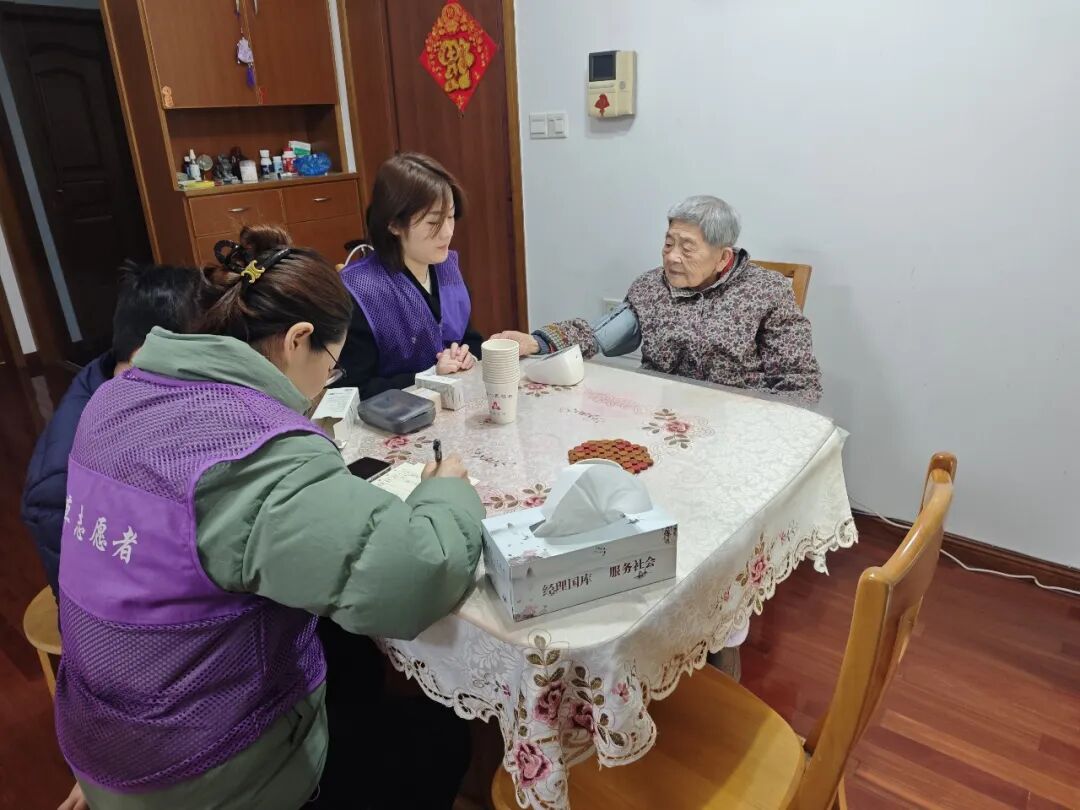
The medical volunteer measures the blood pressure of survivor Cheng Wenying
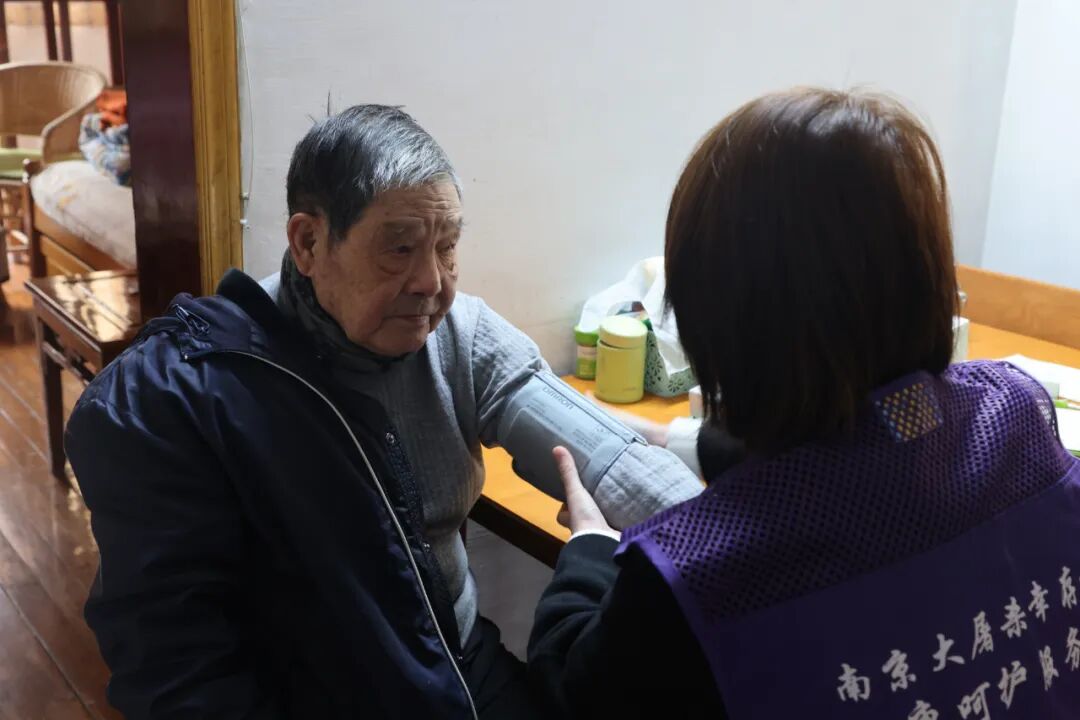
The medical volunteer measures the blood pressure of survivor Lu Hongcai
I am Qin Dingzhong, a teacher at Nanjing Tech University Pujiang Institute. I have volunteered at the Memorial Hall for more than two years, contributing over 600 hours of service in total. I participated in the Spring Festival visits organized jointly by the Memorial Hall and the Association for Aiding Survivors of the Nanjing Atrocities by Japanese Invaders and Inheriting Historical Memory of the Nanjing Massacre (AASIMNM). Once I put on the Zijin Cao volunteer vest, I take on the mission of caring for the survivors. Helping more people learn about their personal experiences and understand that peace has not come easily is my modest contribution to the city I call home.
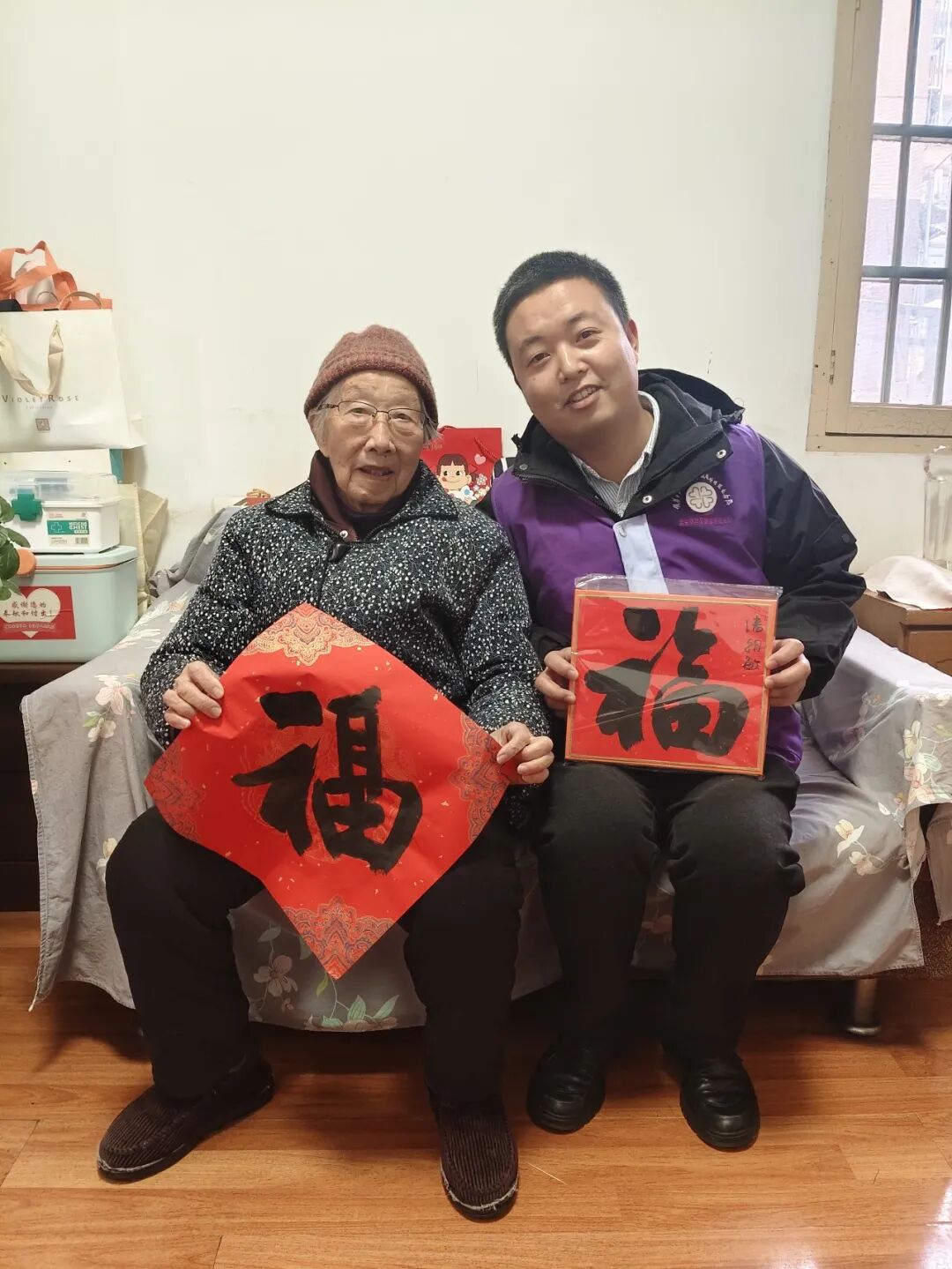
Qin Dingzhong visits Grandma Jing Zhizhen
Steadfast Commitment: The Dedication of Veteran Party Members and Descendants of Red Army Veterans
I am Li Guorong, a retired serviceman and veteran Party member. During this year’s Spring Festival, I did not take a single day off. I was responsible for hosting eleven themed educational activities, preparing each script meticulously in advance. Many visitors choose to come to the Memorial Hall during holidays, and it is our responsibility to serve them well, allowing them to immerse themselves in history and inspiring a sense of patriotism. This is the duty of a veteran Party member.
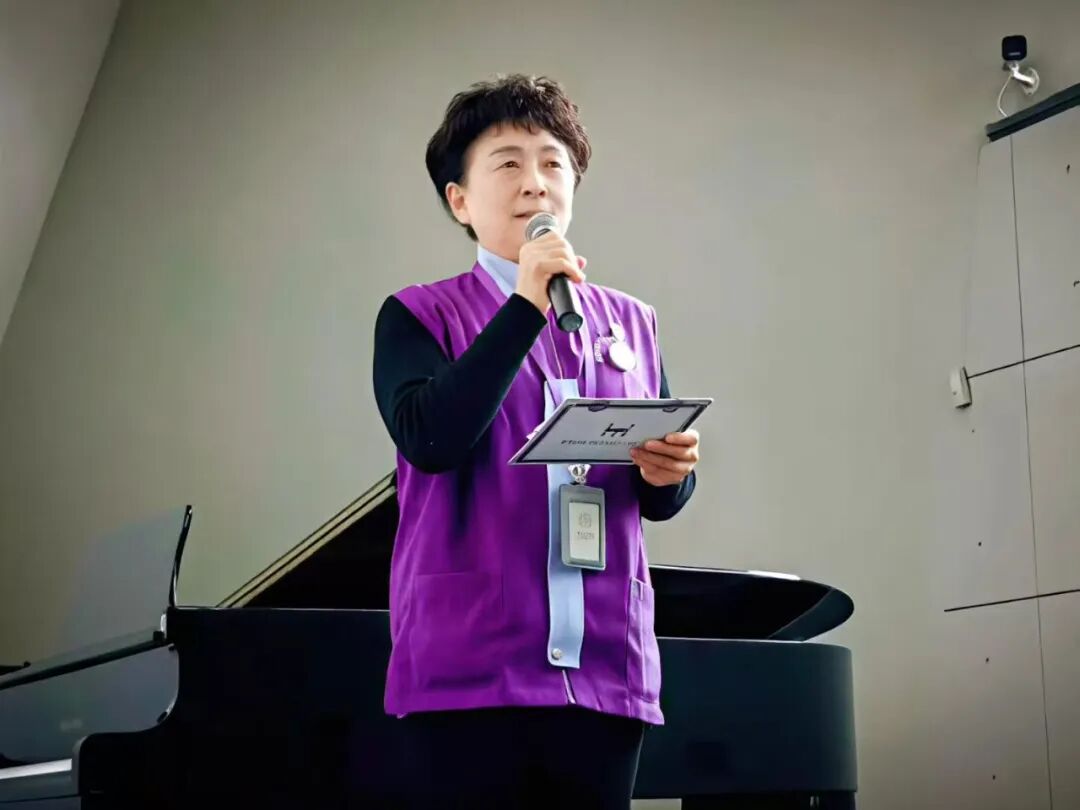
I am Qin Zhihong, daughter of the Red Army veteran Qin Huali. From the first to the seventh day of the Lunar New Year, I remained at my volunteer post without interruption. For me, spreading the truth of history is a mission passed down from my parents’ generation. In my own small way, I hope to help people understand this history and never forget the suffering endured by the Chinese nation.
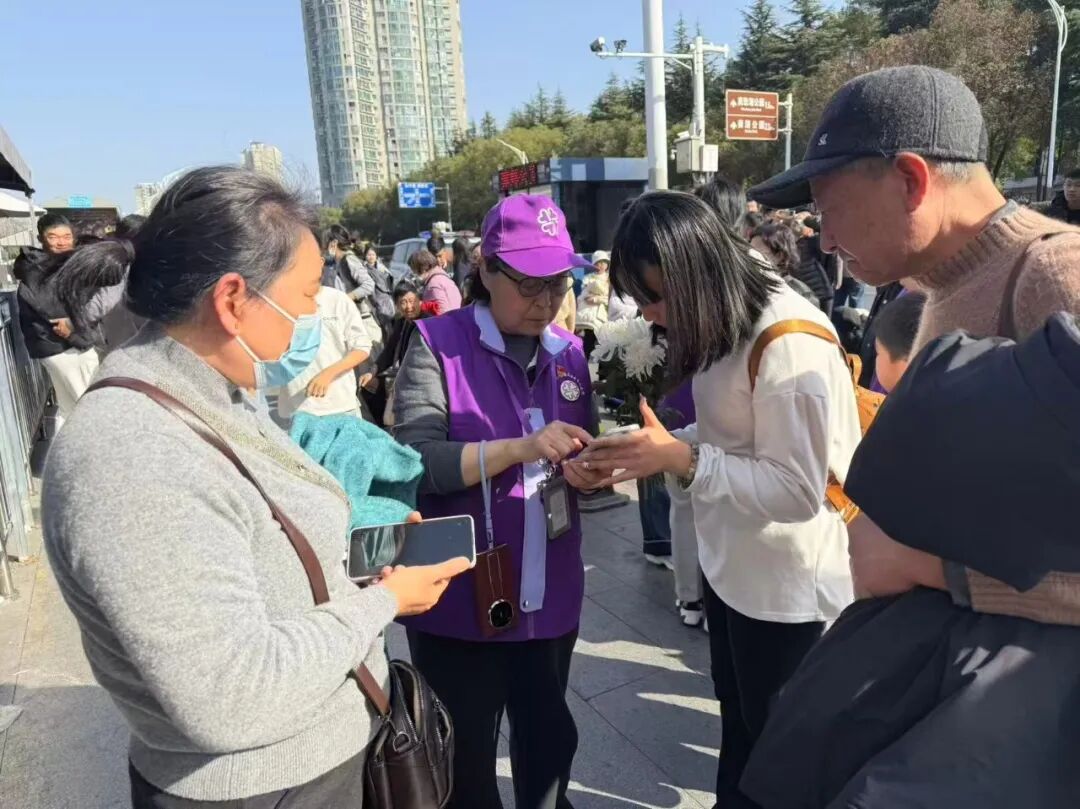
There are many more volunteers at the Memorial Hall just like them —
enthusiastically serving visitors every day.
From energetic young storytellers
to highly skilled professional guardians;
from heartfelt care for survivors
to the unwavering dedication of veteran Party members day after day —
this Spring Festival,
the Zijin Cao volunteers used their actions
to make the transmission of history more powerful
and bring greater warmth and humanity to the cause of peace.